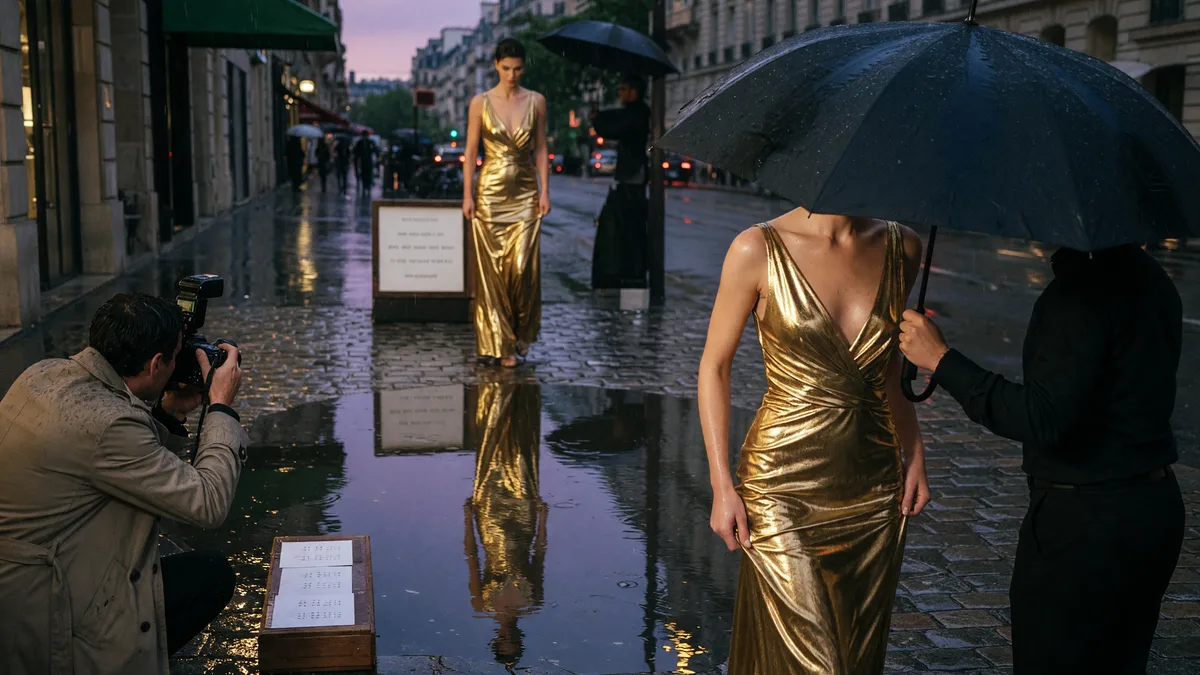
Few garments keep coming back like the slip dress. It started life as underwear, moved onto the runway, and never really left. Decade after decade, designers return to its simple promise: one liquid line, cut close to the body, worn on purpose.
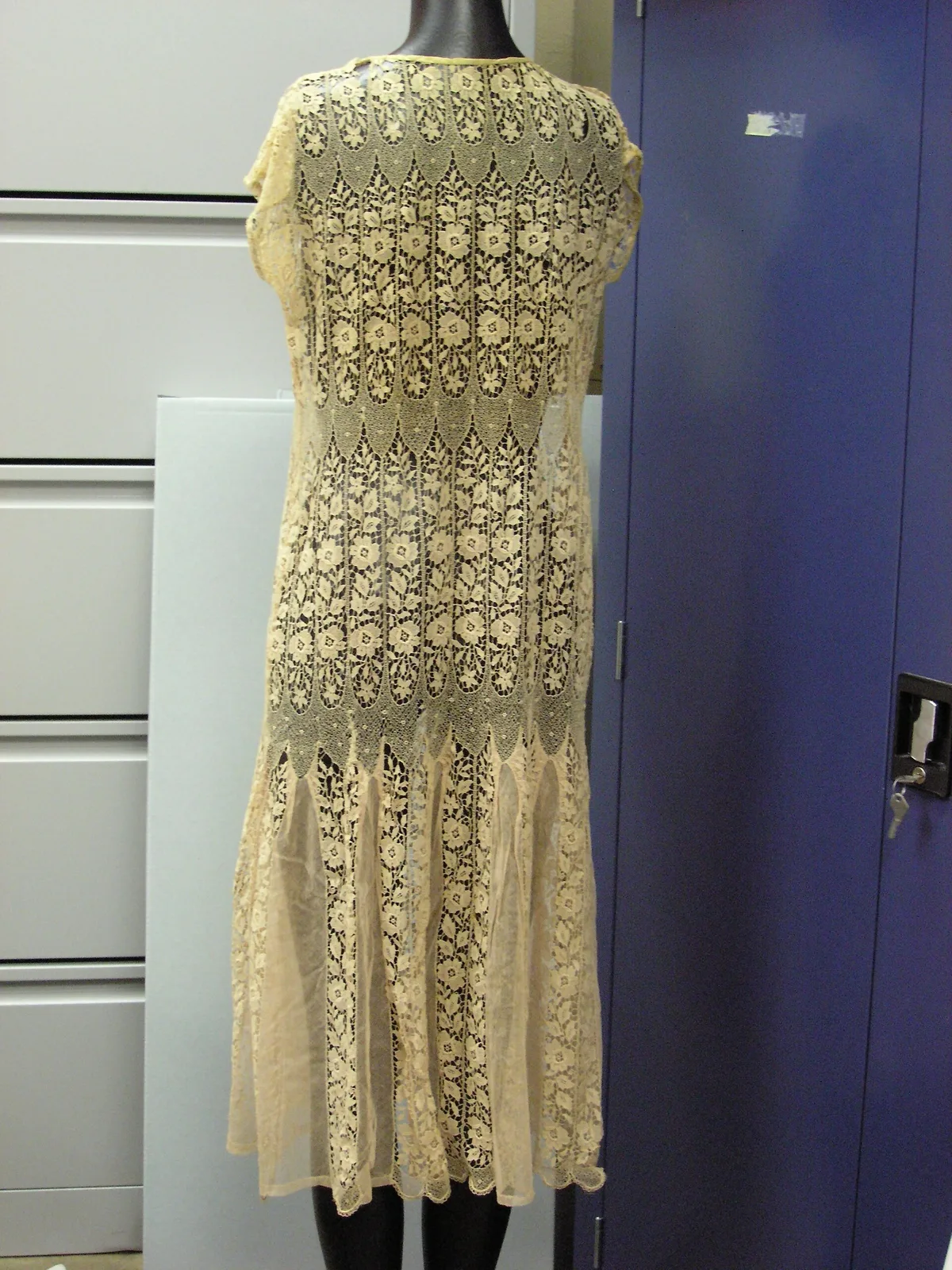
The recipe has stayed steady. A slip dress closely resembles an underslip or petticoat. It is traditionally cut on the bias, with spaghetti straps, as Wikipedia's entry on the slip dress records. The dress looks like an undergarment, but it is meant to be seen, often with lace and sheer elements offering glimpses of the body beneath.
The Nineties Made It an Icon
The slip dress first became widely worn in the last decade of the 20th century, riding the underwear-as-outerwear trend. Makers used layered chiffon, polyester satins and charmeuse, often trimmed with lace. The dresses typified the sartorial minimalism of the 1990s. Kate Moss drew attention in a sheer version in 1993, and Courtney Love's fondness for the style gave it grunge credibility. We covered a connected angle in Eighteen Months Ahead: How Fashion's Trend Forecasters Actually Work.
Designers linked to the piece include John Galliano, whose debut design for Dior was a lace-trimmed slip dress worn by Diana, Princess of Wales in 1996. Calvin Klein and Narciso Rodriguez are also named with the style. The decade's usual way of wearing it ran short and layered: above the knee, with opaque tights, leggings or bike shorts showing below the hem, and a capped-sleeve tee or bodysuit underneath.
How do you wear it now? Borrow the best of each decade. Keep the line clean and let the fabric move. Pair it with a structured layer on cooler days, or keep it bare and simple in warm weather. The dress does the work; everything around it should stay quiet. For related coverage, see Why Fashion and Architecture Keep Borrowing Each Other's Lines.
Why Designers Keep Returning
The shape solves hard problems at once. The bias cut follows the body without gripping it. There are no buttons, no bulk, no fuss. That minimalism photographs beautifully and works as well on a red carpet as on a summer street. A dress with this few parts is also a blank canvas. Change the fabric and the whole mood changes with it.
There is history behind the appeal too. Underwear that steps into the open has always carried a quiet charge, and the slip dress handles that charge with restraint. It suggests ease rather than effort, which is a hard look to fake.
Stylists love the piece for practical reasons as well. It packs flat, weighs almost nothing, and suits both flat sandals and sharp heels. Dress it down with a knit thrown over the shoulders, or dress it up with fine jewellery. Few garments travel between occasion and season this well.
The Renaissance of the Late 2010s
The revival arrived on schedule. The style enjoyed renewed popularity from the late 2010s into the 2020s, part of a broader return of 1990s fashion trends. The spring 2016 collections of both Yves Saint Laurent and Burberry featured the garment. Slip dresses have since become a red carpet staple, and the Versace spring 2021 ready-to-wear collection included slip dresses with a beachy theme.
Each revival adds styling rather than structure. Worn with boots, layered over a tee, or kept simple and alone, the dress bends to the decade that adopts it. That flexibility is rare in fashion, and it explains the loop. A garment that answers every era's questions does not need to argue its way back in.
Conclusion: Liquid Minimalism, On Repeat
The slip dress keeps its hold because it does one thing perfectly. It turns the simplest idea in the closet into a statement. As long as designers want clean lines with a soft finish, the slip dress will keep coming back.