Beauty
Exfoliation Schedules: How Often to Use Acids Without Damaging Your Skin
AHAs, BHAs and enzymes each ask for a different rhythm — and the calendar matters as much as the acid.
Beauty covers makeup, hair, skin and fragrance through explainers rather than hard sell. Each guide names the reference behind a look, states what reproducing it takes, and flags anything that genuinely requires a salon. Written for readers who like experimenting and want realistic expectations beforehand.
AHAs, BHAs and enzymes each ask for a different rhythm — and the calendar matters as much as the acid.
Three low-commitment products, three different jobs between salon visits. Here is how to pick.
The short chains of amino acids behind some of beauty's firmest promises, read against what the evidence actually says.
The four-night routine went viral for a reason — its logic is rest, and its inventor is a named dermatologist, not a brand.
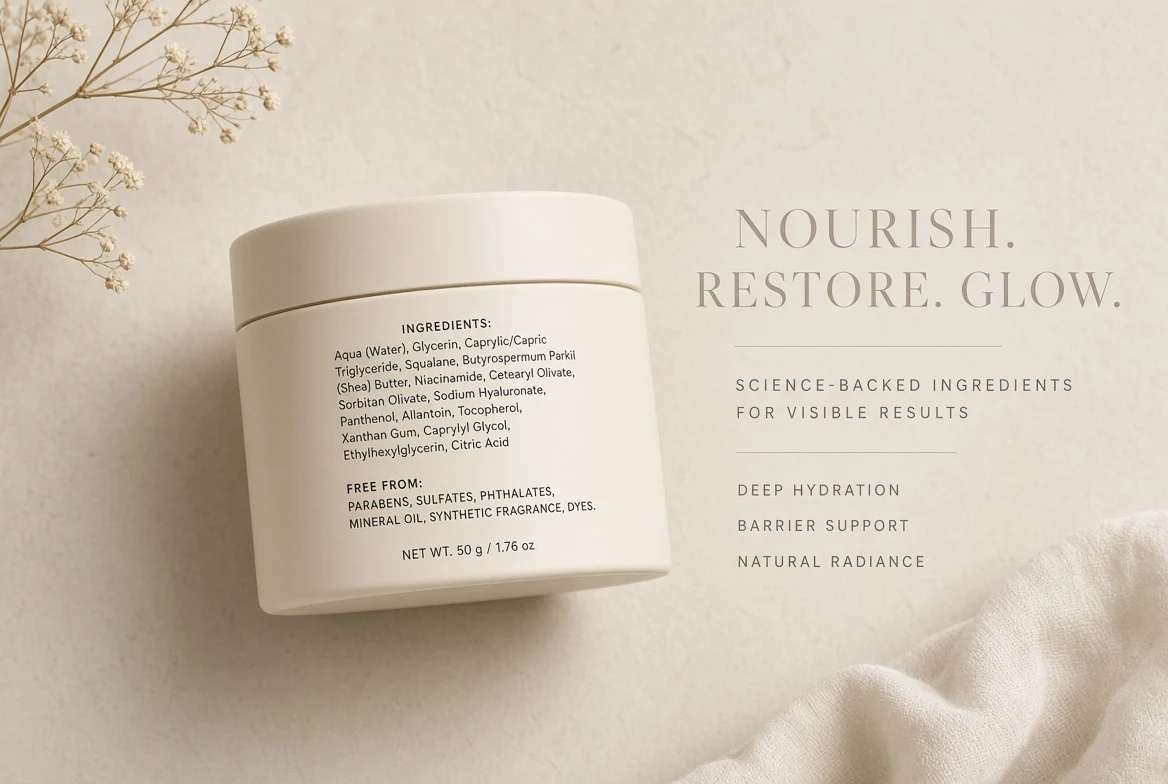
Hypoallergenic, unscented, organic, clean — the FDA defines almost none of them. A guide to the beauty label in the regulator's own words.
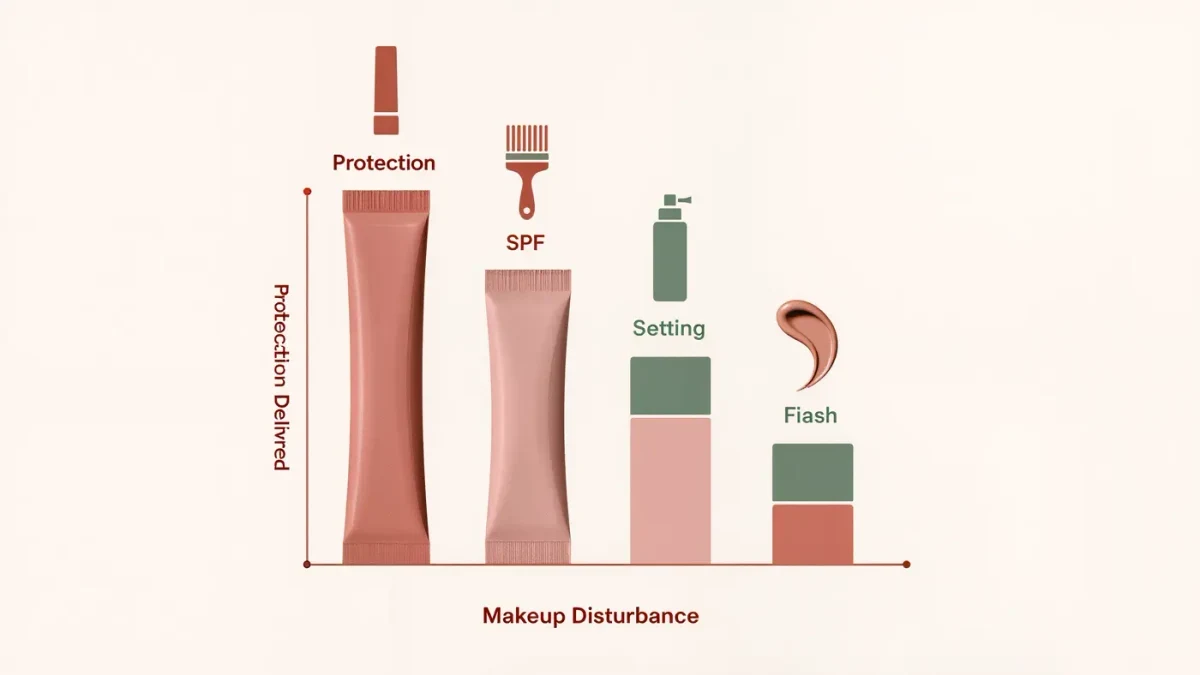
Sunscreen lasts about two hours, makeup does not move for anyone. The practical hierarchy — sticks, powders, mists and the honest limits of each — for a full day of real protection.