Beauty covers makeup, hair, skin and fragrance through explainers rather than hard sell. Each guide names the reference behind a look, states what reproducing it takes, and flags anything that genuinely requires a salon. Written for readers who like experimenting and want realistic expectations beforehand.
Ceramides make up roughly half the lipids holding skin together — and decline measurably with age. What they do, which form to buy, and why the ratio matters more than the percentage.
Poor sleepers show more fine lines, uneven pigment and slower recovery from UV — a clinical study put numbers on it. What overnight repair really involves, and the night routine that helps it.
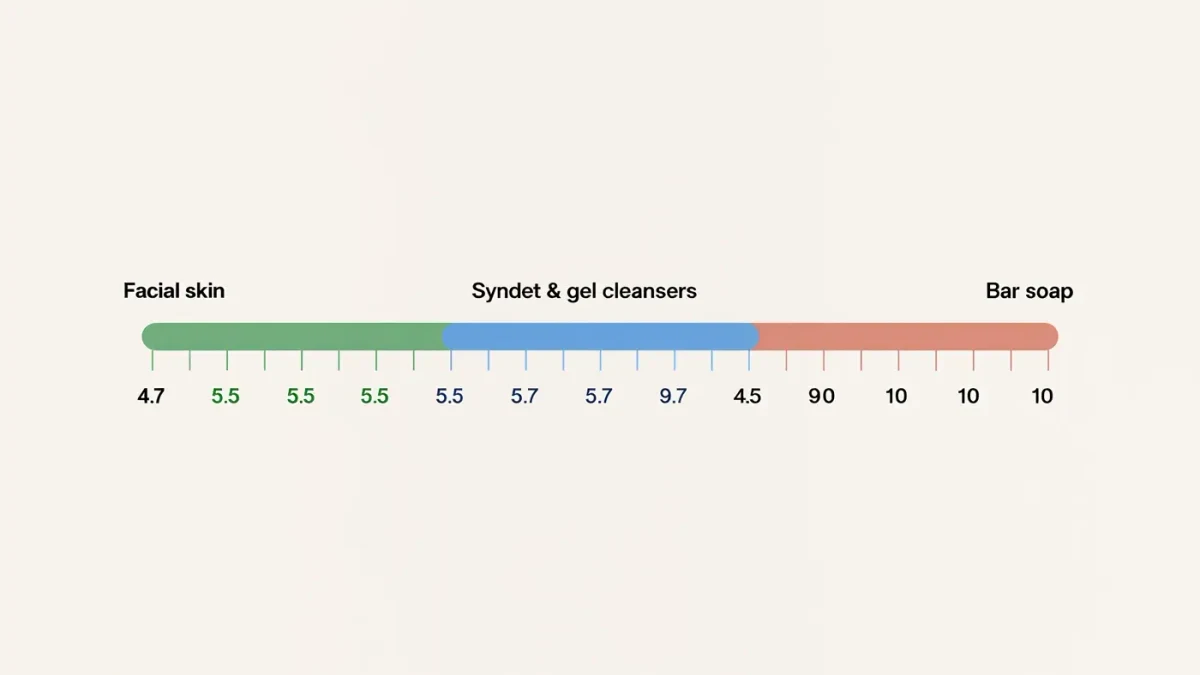
Skin sits at about pH 5; classic soap sits near 10. The chemistry behind that gap explains tightness, breakouts and why a gentler wash outperforms a deeper clean.
Vitamin B3 went from dermatology footnote to ingredient-list everywhere. What niacinamide actually does at 2 to 5 percent, and where the marketing outruns the data.
Coconut, argan, jojoba, rosehip — the bottles multiply, the claims blur. What published research says each oil genuinely does for hair, and how to use them.
Tightness, stinging, sudden sensitivity to old favorites — the barrier is speaking. What the stratum corneum needs, and the four-week plan that restores it.