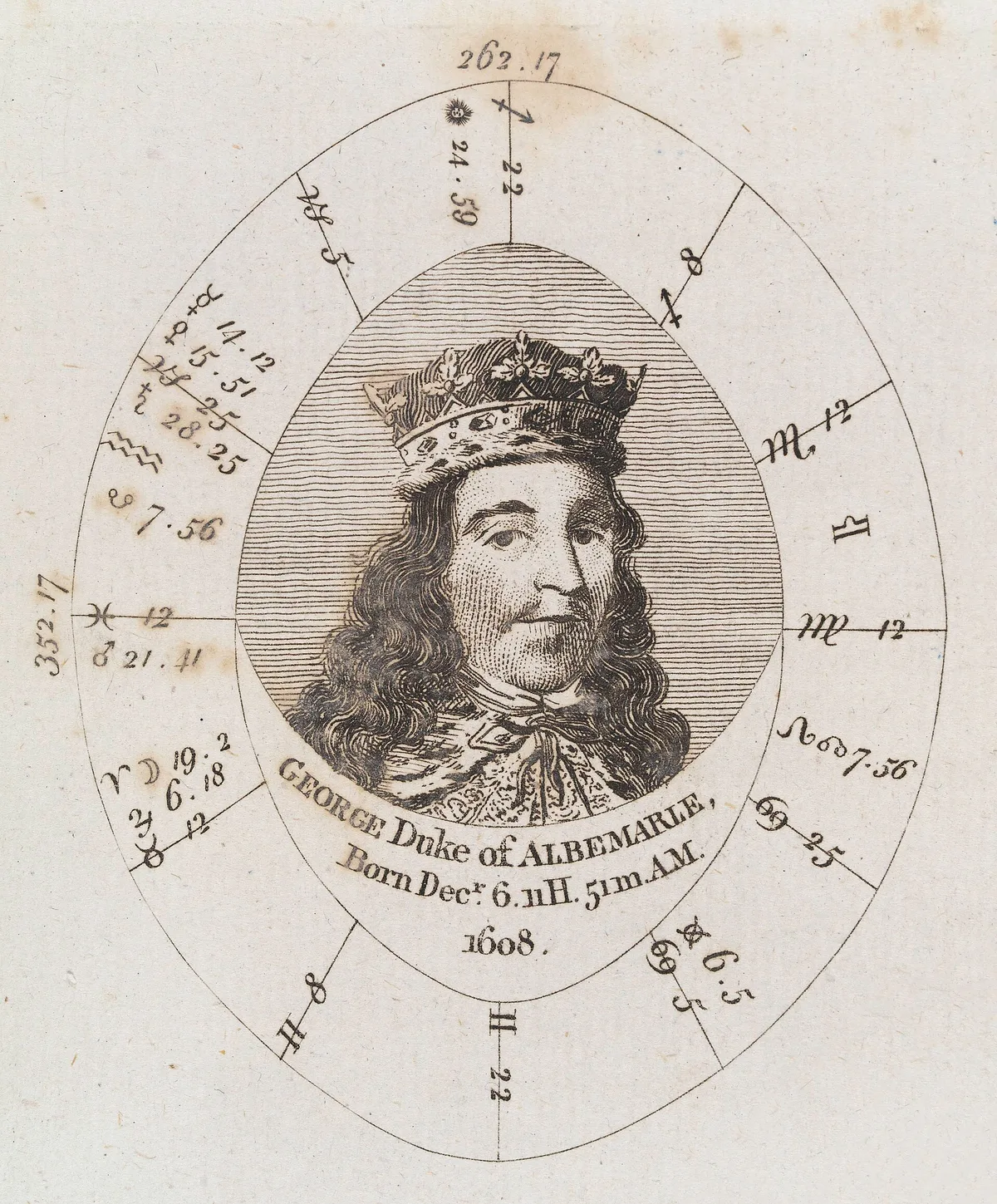
Reading an astrology birth chart is simpler than it looks: you are taking an inventory of where each planet sat at the moment of your birth, then reading how those placements combine. The chart is a snapshot, not a prediction. This walkthrough treats it as pleasure reading — entertainment, in the tradition of a well-cut column — and never as guidance on health, money, or relationships.
Think of it the way a fitting session works. The sun sign is the silhouette. The moon is the lining. The rising sign is the outer layer everyone sees first. Once you can name those three pieces, the rest of the chart becomes a matter of checking the details against the whole.
To read a chart, in the plainest sense, is to obtain meaning from symbols — and that is exactly what the Cambridge Dictionary says reading is. The symbols here are planets, signs, and houses. Nothing more mysterious than that.
What is an astrology birth chart, exactly?
A birth chart, or natal chart, is a map of the sky at the exact time and place you were born. It shows where the sun, moon, and planets sat against the zodiac — the band of twelve signs — and how they were arranged around the horizon. Astrologers treat it as a symbolic portrait, not a scientific document. Read it the way you would read a lookbook: as a set of references, open to interpretation. This connects to our earlier piece, Leo Season Look Ahead: Gold Hour Of The Zodiac Year.
You need three inputs to generate one: date of birth, time of birth, and city of birth. The time matters most. It sets the rising sign and the house divisions, which is why a chart drawn for 6 a.m. looks different from one drawn for 6 p.m. on the same day in the same city.
How do you get your chart?
Use any reputable free chart calculator online, or ask an astrologer to cast one for you. Enter your birth date, time, and place. The result is a circular diagram: a wheel divided into twelve segments, with glyphs for the planets scattered through them. Most calculators also produce a table listing each planet and its sign, which is the fastest way in.
If you do not know your birth time, ask a parent or check a birth record. Without it, the rising sign and houses are unreliable. The planetary signs remain usable — an incomplete wardrobe, but a wardrobe all the same.
Where do you start reading: sun, moon, rising?
Start with the big three. The sun sign is the one most people know; it reflects the sign the sun occupied on your birthday and is read as the core identity in the chart. The moon sign shows where the moon sat, and is read as the emotional register — the private layer beneath the public cut. The rising sign, or ascendant, is the sign coming up over the eastern horizon at your birth time, read as first impressions and the style you lead with.
A practical order: sun first, because it anchors everything. Moon second, because it explains what the sun leaves out. Rising third, because it frames how the two are worn. If your sun and rising are the same sign, the chart reads with a strong, unified line. If they differ, the tension between them is often the most interesting detail on the page.
What do the planets, signs, and houses mean?
Each planet is a function; each sign is a style; each house is a department. Mercury is read as communication, Venus as taste and attraction, Mars as drive. The signs color how each function expresses itself — Mercury in Gemini reads differently from Mercury in Capricorn, the way silk reads differently from wool. The twelve houses assign territory: self, money, home, work, partnership, and so on around the wheel.
The full reading is a sentence: planet in sign in house. Venus in Taurus in the fifth house, for example, would be read as taste expressed steadily, in the department of pleasure and creativity. One placement is a word. The chart is the paragraph.
How do you put it all together?
Work in passes, the way an editor reads a collection. First pass: the big three. Second pass: Mercury, Venus, and Mars, the personal planets. Third pass: anything that clusters — two or more planets in the same sign or house stand out the way a repeated fabric does across looks. Repetition is emphasis.
Then look for quiet zones. An empty house is not a flaw; it simply means that department is not a headline in your chart. Note the sign on the cusp of each empty house if you want a one-line read of it. Resist the urge to over-interpret a single placement. A reading gains weight from patterns, not from isolated glyphs.
What this means for the reader
Our analysis: the chart rewards the same discipline a good trend report does — evidence first, verdict second. Name the placements, then read them together. The most common beginner error is reading each planet in isolation and ending up with twelve unrelated verdicts. The chart is meant to be read as a whole garment: seam to seam, grain line to hem.
Keep it light, keep it labeled, and keep it in its lane. A birth chart is a pleasure read — a mirror, not a manual. For the seasonal register of the zodiac, the astrology column follows the signs through the year, from Aries season to Pisces, and the full moon calendar marks the monthly beats. What the evidence established is method, not meaning: the meaning is the reader's to make. Readers following this should also see Aries Season Look Ahead: The Boldest Palette Of The Zodiac Year.