Culture is the reference desk at Noor: the films, records, television and exhibitions that keep surfacing in collections and campaigns. Pieces identify each source, date it, and explain why it came back around now. Read by people who recognize a borrowed image and want to know its origin.
Edith Head collected eight Academy Awards; Colleen Atwood and Milena Canonero matched her with four each — proof that in cinema, the wardrobe department does not dress the story. It writes it.
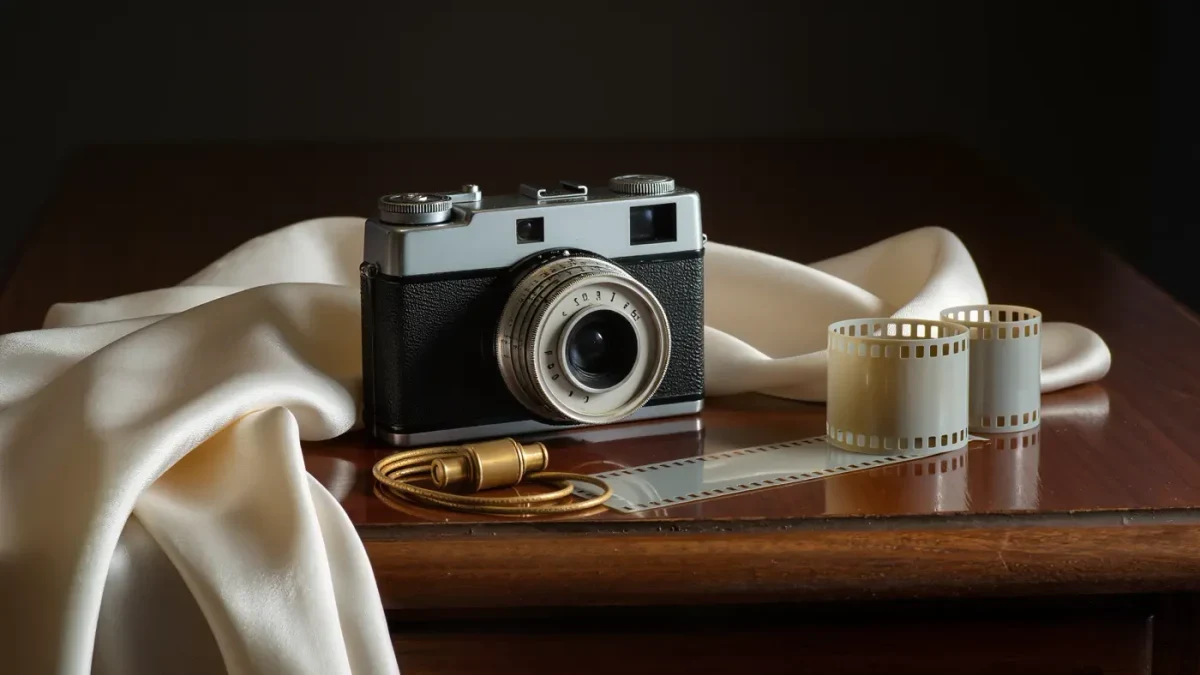
When Edward Steichen photographed Paul Poiret's gowns in 1911, fashion photography stopped being illustration and became opinion — and every decade since has added one decisive optical invention to the way we look at clothes.
When a skateboard label sells for 2.1 billion dollars and a tuxedo house hires a DJ to run menswear, the old hierarchy has officially inverted — and the story of how it happened reshapes every wardrobe.
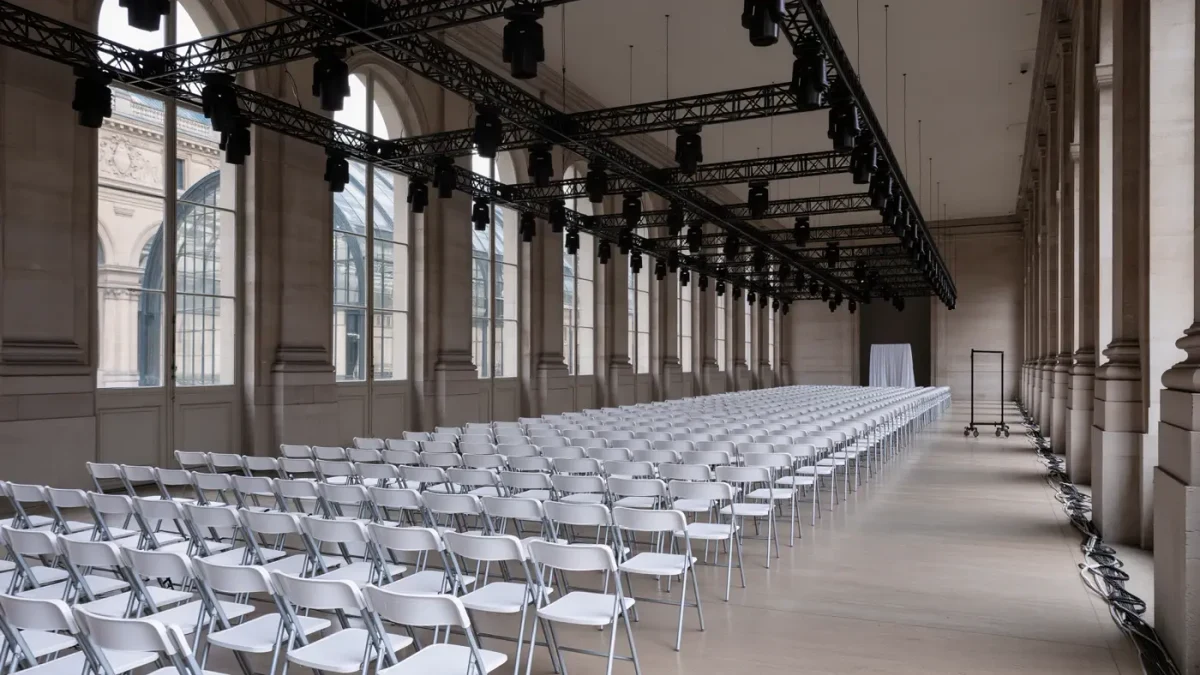
Fashion week venues are chosen for logistics, but the geography runs deeper: Paris builds runways around its monuments, New York gravitates to studios, and each city's map explains what its fashion wants to say.
From a 1937 study collection to exhibitions that outdraw blockbusters, the Costume Institute argued that a dress can carry as much history as a painting — and the attendance figures settled the argument.